Benefits of Installing Gutter Guards
Gutter guards offer numerous advantages for homeowners seeking to protect their property from water damage. By preventing debris accumulation, they help ensure that rainwater flows freely through the gutters, reducing the risk of clogs and overflow.
Additionally, gutter guards can save homeowners time and money by minimizing the need for frequent gutter cleaning. They also extend the lifespan of the gutters and reduce the likelihood of costly repairs due to water damage, making them a smart investment for any property.
Common Types of Gutter Guards
There are several types of gutter guards available, each designed to address specific needs and preferences. The most common types include mesh screens, reverse curve guards, and foam inserts, each offering unique benefits in terms of filtration and maintenance.
For instance, mesh screens are effective at keeping out leaves and larger debris, while reverse curve guards direct water into the gutter while allowing debris to slide off. Understanding the different types can help homeowners choose the best option for their specific gutter system and local environment.
How Gutter Guards Work
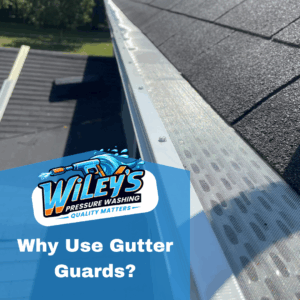
Gutter guards function by creating a barrier that prevents debris from entering the gutter system while allowing water to flow through. This design is crucial in maintaining the efficiency of gutters, especially during heavy rainfall when the risk of overflow is heightened.
By utilizing various materials and designs, gutter guards can effectively filter out leaves, twigs, and other debris, ensuring that gutters remain clear and functional. This not only protects the home from water damage but also reduces the frequency of maintenance required.
Maintaining Gutter Guards
While gutter guards significantly reduce the need for regular cleaning, some maintenance is still necessary to ensure they function optimally. Homeowners should periodically check for any buildup of debris on top of the guards and clean them as needed to maintain proper water flow.
Additionally, inspecting the gutters and downspouts for any blockages or damage is recommended at least twice a year. This proactive approach can help prevent issues before they escalate, ensuring that the gutter system continues to protect the home effectively.
Benefits of Installing Gutter Guards
Gutter guards offer numerous advantages for homeowners seeking to protect their property from water damage. By preventing debris accumulation, they help ensure that rainwater flows freely through the gutters, reducing the risk of clogs and overflow.
Additionally, gutter guards can save homeowners time and money by minimizing the need for frequent gutter cleaning. They also extend the lifespan of the gutters and reduce the likelihood of costly repairs due to water damage, making them a smart investment for any property.
Common Types of Gutter Guards
There are several types of gutter guards available, each designed to address specific needs and preferences. The most common types include mesh screens, reverse curve guards, and foam inserts, each offering unique benefits in terms of filtration and maintenance.
For instance, mesh screens are effective at keeping out leaves and larger debris, while reverse curve guards direct water into the gutter while allowing debris to slide off. Understanding the different types can help homeowners choose the best option for their specific gutter system and local environment.
How Gutter Guards Work
Gutter guards function by creating a barrier that prevents debris from entering the gutter system while allowing water to flow through. This design is crucial in maintaining the efficiency of gutters, especially during heavy rainfall when the risk of overflow is heightened.
By utilizing various materials and designs, gutter guards can effectively filter out leaves, twigs, and other debris, ensuring that gutters remain clear and functional. This not only protects the home from water damage but also reduces the frequency of maintenance required.
Maintaining Gutter Guards
While gutter guards significantly reduce the need for regular cleaning, some maintenance is still necessary to ensure they function optimally. Homeowners should periodically check for any buildup of debris on top of the guards and clean them as needed to maintain proper water flow.
Additionally, inspecting the gutters and downspouts for any blockages or damage is recommended at least twice a year. This proactive approach can help prevent issues before they escalate, ensuring that the gutter system continues to protect the home effectively.